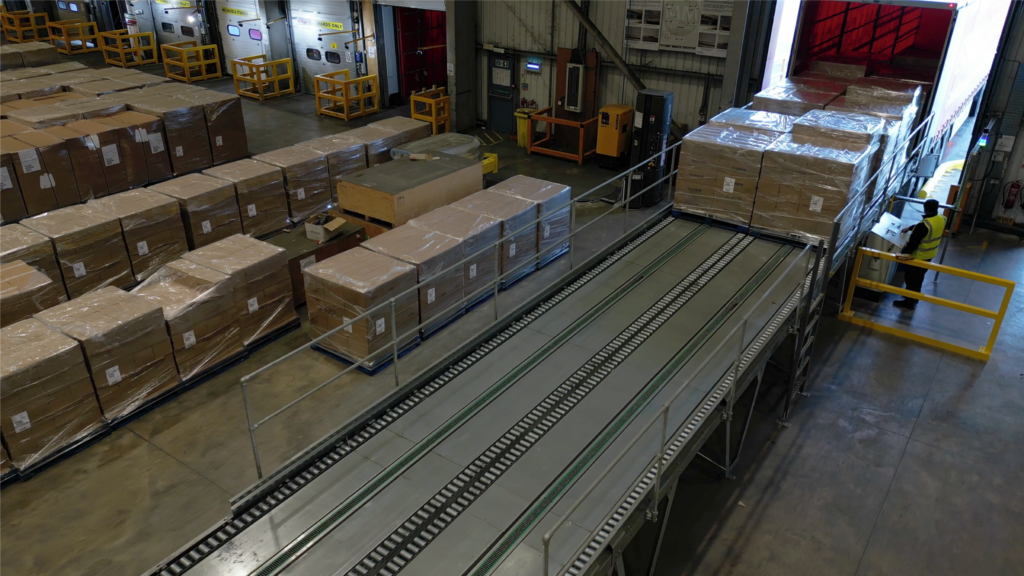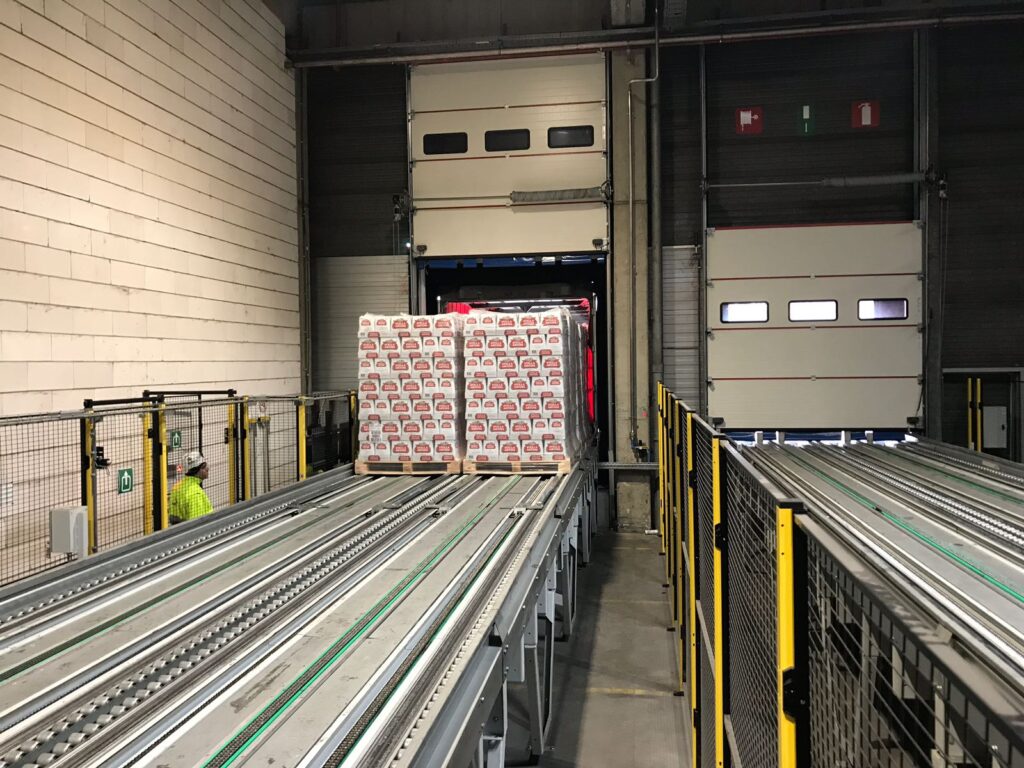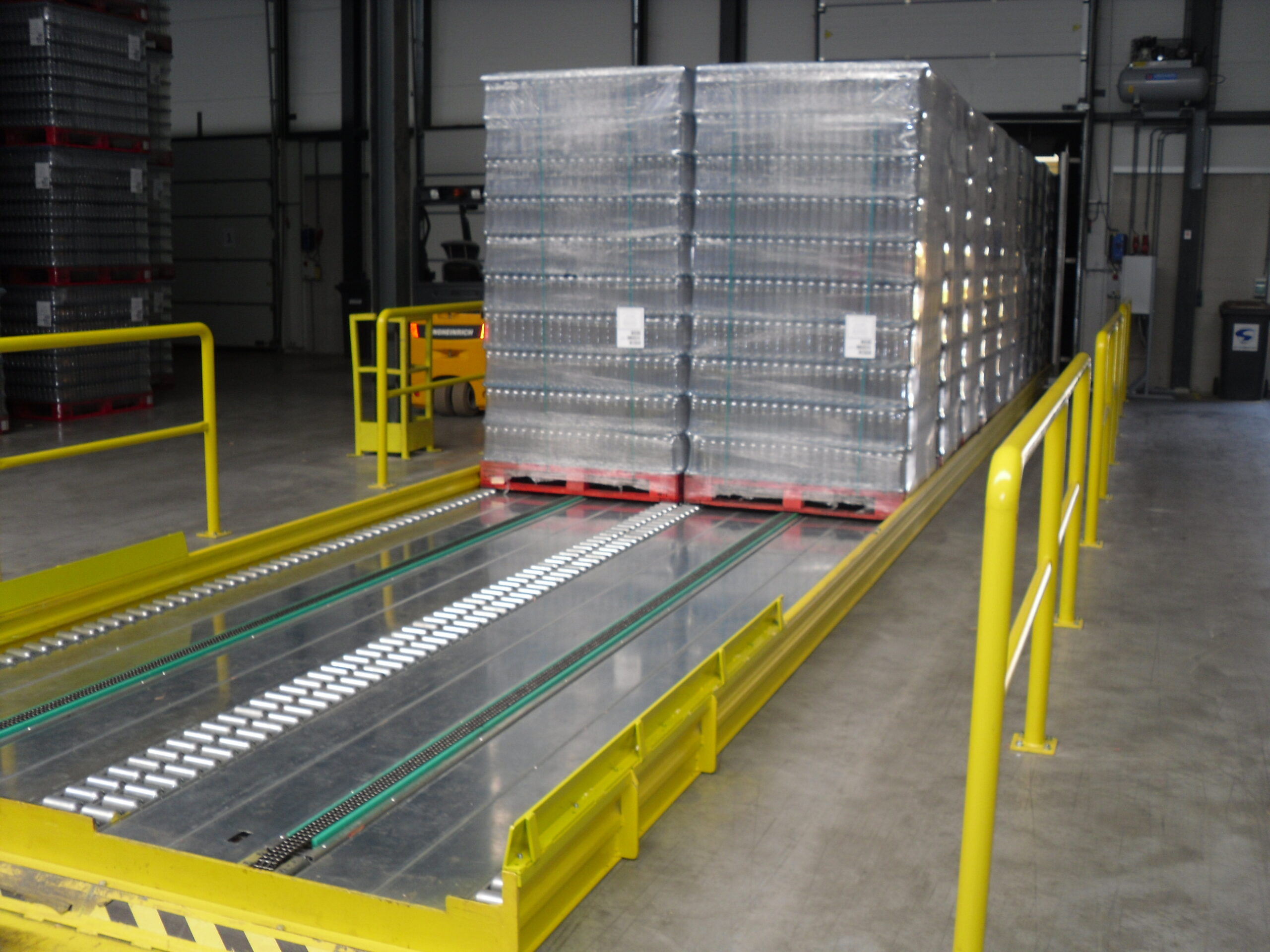
Labour shortages are becoming one of the drivers behind investment in automated loading and unloading. At distribution centres, the loading bay remains a physically demanding workplace where forklifts and manual handling often connect highly automated factories and warehouses with external transport.
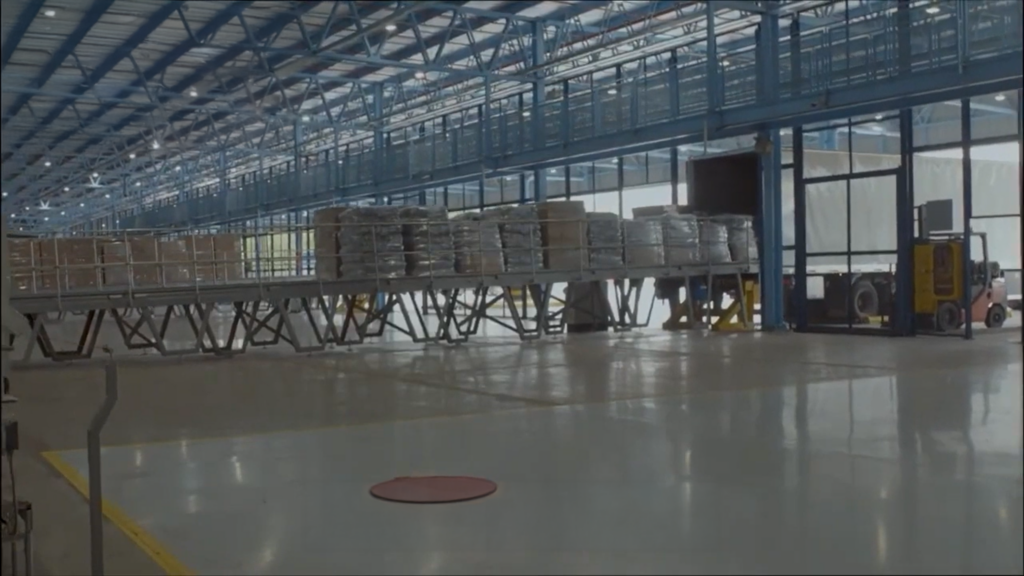
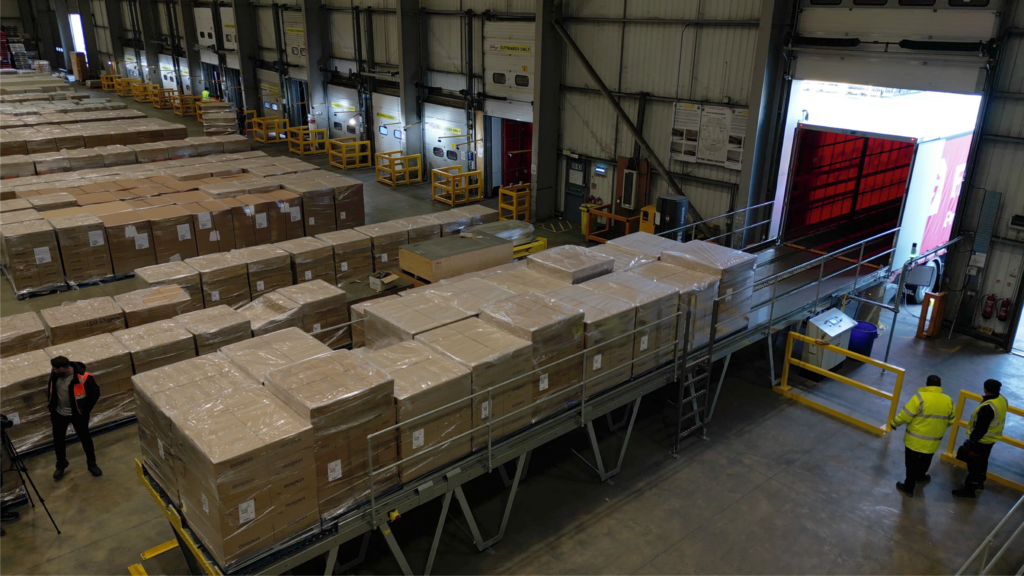
Joloda Hydraroll is developing LoadMatic Lite to automate that interface. An automated guided vehicle delivers a pallet to the system, which loads it into a standard trailer or container. The AGV does not need to enter the trailer, reducing exposure to dark, damp, dirty and non-standard working conditions.
Changing skills at the dock
The shift does not remove the need for people across the operation, but it changes where their expertise is applied. Staff may increasingly supervise automated equipment, respond to exceptions, inspect damaged pallets and manage connections between warehouse software, AGVs and loading systems. Understanding safety procedures, machine interfaces and data becomes more important alongside traditional materials-handling experience.
This is particularly relevant because transport operators use trailers that vary in design and condition. Pallets can also differ in quality or carry loads that extend beyond their edges. Automated systems therefore need people who can manage irregular situations rather than relying only on repetitive manual movement.
Joloda says its one-shot process can load a trailer in less than 10 minutes, compared with an estimated 45 minutes when two AGVs gradually position pallets inside it. Faster cycles could reduce waiting time for drivers and help existing teams handle more throughput without expanding the physical loading area.
Safety and development opportunities
Cameras and tracking technologies may also give loading-bay employees better information. IoT and RFID can follow pallets through the operation, while cameras can identify damage or unusual shapes before dispatch. That supports earlier intervention and can reduce the pressure created by returns and delivery failures.
Joloda operates in 34 countries and employs 350 people. It is demonstrating LoadMatic Lite at its Liverpool facility and reports demand in high-volume sectors such as petrochemicals, FMCG and beverages. For employers, the technology offers a route to reduce physically intensive work while building capabilities in automation supervision, maintenance, safety and logistics data.
Information on LoadMatic Lite and the company is available from Joloda.